Buy Land
Start with the records and practical questions that matter before you commit to a San Luis Valley parcel.
Explore Buying LandColorado's most extraordinary landscape — ancient, vast, and full of opportunity.
Today, the San Luis Valley is known for its vast, high-altitude landscapes, stunning mountain views, and rich agricultural heritage. Spanning over 120 miles and flanked by the Sangre de Cristo and San Juan Mountains, the valley has been home to Indigenous peoples for centuries, with the Utes considering it a sacred place.
Spanish settlers arrived in the 1800s, establishing San Luis in 1851, Colorado's oldest town. The region became a key passage for traders, miners, and homesteaders, with the arrival of the railroad further shaping its development.
Agriculture remains the valley's backbone, while its spiritual sites, UFO lore, and historic traditions add to its mystique. Today, the San Luis Valley continues to blend resilience, adventure, and cultural richness — captivating all who visit.
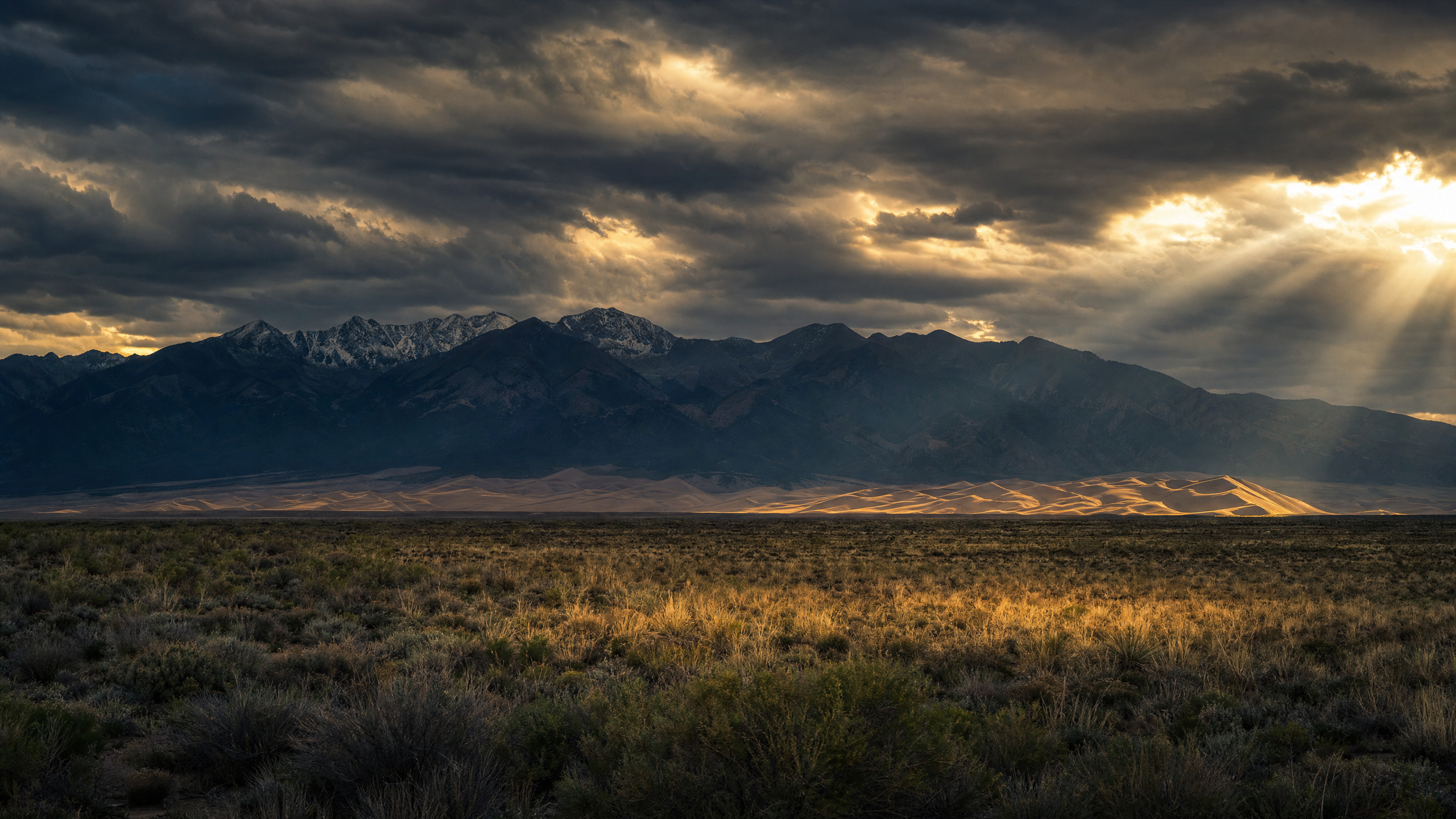
The Sangre de Cristo Mountains rise to the east, the San Juan Mountains to the west. The valley floor sits at 7,500 ft elevation — one of the highest valleys in the world.
The Rio Grande and its tributaries, along with the San Luis Valley Aquifer, support one of Colorado's most productive agricultural regions — potatoes, barley, and alfalfa.
The valley enjoys an extraordinary amount of sunshine year-round, making it ideal for solar energy, outdoor recreation, and a quality of life that's hard to match.
San Luis, established in 1851, is the oldest continuously occupied town in Colorado. The valley carries centuries of Indigenous, Spanish, and American heritage.
CHOOSE A PATH
Choose the path that fits your next real estate decision in the San Luis Valley.
Start with the records and practical questions that matter before you commit to a San Luis Valley parcel.
Explore Buying LandBuild a practical home-buying plan around location, condition, systems, and fit.
Explore Buying a HomePrepare for a property-specific value conversation before you decide what comes next.
Explore Selling Your PropertyThe San Luis Valley offers some of the most affordable land prices in Colorado, with vast acreage available for ranching, homesteading, recreation, or investment. Preston Douglas is your local expert — born and raised in this valley.