A Brief History of the San Luis Valley
A Brief History of the San Luis Valley
The San Luis Valley has a long history that includes Indigenous homelands, Spanish and Mexican eras, Hispano communities, United States expansion, agriculture, railroads, and the communities that call the region home today. This guide is a starting point, not a complete history. Many of these stories overlap, and some are difficult. The links on this page can help you learn more. [1] [2]
A landscape shaped by many peoples
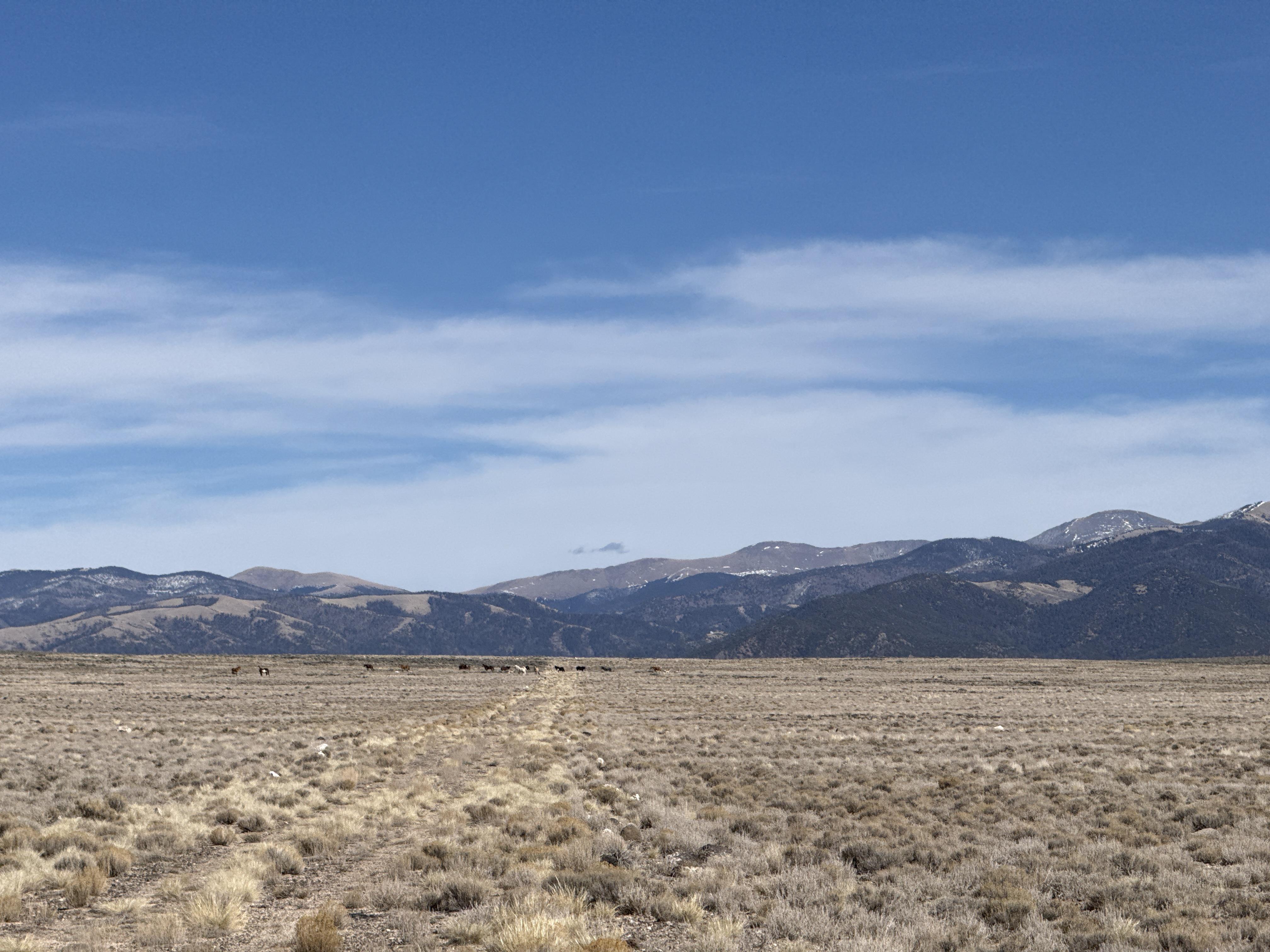
The San Luis Valley is a high-altitude basin in southern Colorado. Long before European and United States expansion, Indigenous peoples traveled through, hunted, gathered, and lived across the region. Colorado Encyclopedia describes the Valley as a place used by Folsom, Pueblo, Ute, Diné, Apache, Comanche, Kiowa, Arapaho, Cheyenne, and other peoples across different periods and places. It also notes the cultural importance of Blanca Peak to the Navajo Nation. [1]
That past still matters to the people and communities here. Fort Garland Museum and Cultural Center Director Eric Carpio has described the Valley as a meeting place of Indigenous homelands, the northern edge of Spanish and Mexican settlement, and United States westward expansion. Its history includes cooperation, conflict, displacement, and experiences that deserve careful treatment. [2]
Land grants, San Luis, and acequias
Spain claimed the Valley in the late sixteenth century. During the Mexican period, land grants were used to encourage settlement on the northern frontier. After the Treaty of Guadalupe Hidalgo in 1848, the region became part of the United States. [1]
In 1851, Hispano settlers established San Luis, recognized as Colorado’s first permanent town. Colorado Encyclopedia records that the San Luis People’s Ditch was completed the following year and is recognized as Colorado’s first water right. These events remain important to the Valley’s history of community water systems, land, work, and cultural continuity. They are not a substitute for current water-rights or property-specific due diligence. [1]
For more on agricultural and cultural traditions, the Sangre de Cristo National Heritage Area and local museums offer useful resources. They also point visitors toward people and institutions preserving this history. [3] [4]
Forts, treaties, and difficult history
The United States built Fort Massachusetts near present-day Fort Garland in 1852. Fort Garland later became part of the expanding United States presence in the region. Colorado Encyclopedia documents the 1868 Ute Treaty and the pressures that led Capote and Muache Utes, among others, to move to a reservation on Colorado’s Western Slope. [1]
A history of the San Luis Valley should not treat these events as a simple progress story. The Fort Garland Museum has developed exhibits that address difficult histories involving forced removal and Indigenous enslavement. National Parks Conservation Association reporting on the museum notes that the Valley’s past includes both collaboration and violence or trauma. [2]
Visitors who want to learn more can look to History Colorado’s Fort Garland Museum and Cultural Center, the Museums of the San Luis Valley, and other local institutions that continue to add context and community voices. [4] [5]
Agriculture, railroads, and changing communities
Agriculture has long been central to the San Luis Valley. The region’s rivers, community water systems, farming, ranching, and later transportation links all shaped where communities grew and how people worked. Colorado Encyclopedia notes that the Denver and Rio Grande Railroad helped establish Alamosa as a rail center in 1878 and describes how agricultural production supplied mining communities in the surrounding mountains. [1]
The railroad era also brought new residents and new tensions. The Valley’s agricultural history includes Hispano, Mormon, Dutch, Japanese, and other communities, alongside the difficult conflicts that arose over land, labor, and grazing. A short guide cannot cover every part of that history. Local museums, oral histories, and historical sources can provide more detail and context. [1] [4]
Where to learn more about the San Luis Valley
If you would like to continue learning, these resources offer helpful next steps:
- Colorado Encyclopedia’s San Luis Valley history provides a detailed overview with references and related topics.
- National Parks Conservation Association: Untold Stories of the San Luis Valley provides reporting on Fort Garland and historical interpretation.
- Sangre de Cristo National Heritage Area shares context on agriculture, ranching, acequias, and heritage resources.
- Museums of the San Luis Valley connects visitors with regional museums and local-history resources.
- Fort Garland Museum and Cultural Center offers further context on the fort and the region’s complicated histories.
Looking for a place in the San Luis Valley?
Use the property search page to tell Preston what you are looking for, your budget, and your timing. He can help you narrow the current options for homes, land, or ranches across the Valley.
Any purchase decision still depends on the records, access, water, utilities, zoning, title, and other conditions for the specific parcel or home.